
THE BOYS’ ROOM INSIGHTS
Student Growth & Development
Why We Begin Every Session With Rose, Bud, Thorn
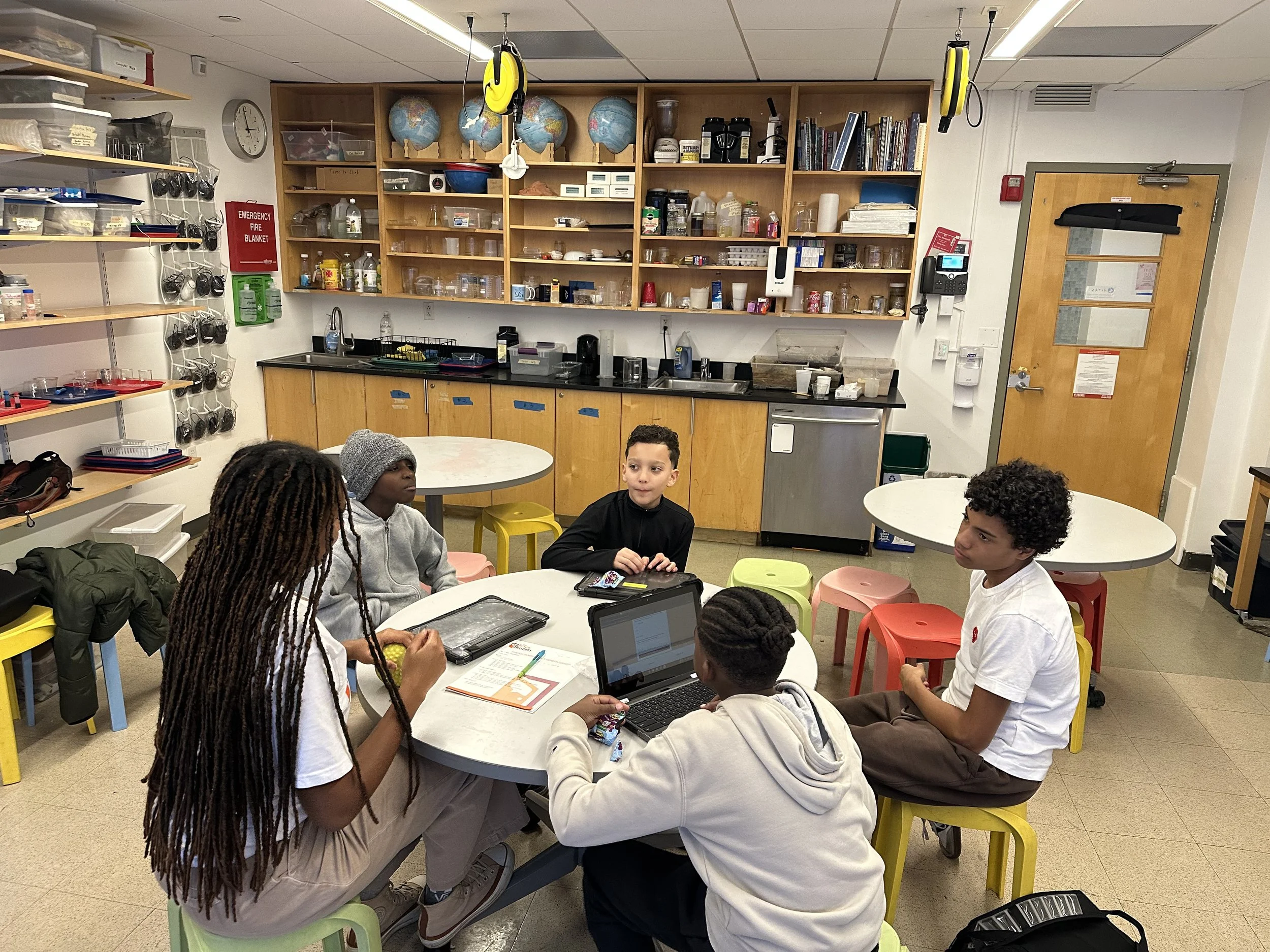
Every Boys’ Room session begins with a simple reflection practice: Rose, Bud, Thorn.
Each boy shares something positive, something he is looking forward to, and something that feels difficult. The format gives everyone a clear way to enter the conversation while helping mentors understand what students are carrying into the room that day.
Reflection creates a starting point
Young people often move quickly from one part of the day to another. School, activities, family responsibilities, friendships, and other experiences can all follow one another with little time to process what happened.
Rose, Bud, Thorn creates a regular moment to notice those experiences.
A boy may realize that something small was more meaningful than he initially thought. He may name a challenge he had not talked about yet. He may hear another boy describe an experience that feels familiar.
Over time, reflection becomes a skill he can use beyond the session itself.
The routine helps mentors listen more closely
The answers also give mentors useful context.
A boy who seems distracted may be thinking about something difficult that happened earlier. Someone who is especially energized may have something exciting he wants to share. Another student may mention a challenge that deserves a follow-up conversation later.
Those details help mentors respond to the person who actually arrived that day.
The practice also creates continuity from week to week. Mentors can remember what boys shared, ask how situations developed, and recognize progress that might otherwise go unnoticed.=
A consistent reflection practice gives boys language for what they are experiencing and a community willing to listen.
Listening is part of the practice too
Rose, Bud, Thorn also asks boys to pay attention to one another.
As each person shares, the group learns more about what classmates and peers are experiencing. Boys hear about successes, disappointments, goals, worries, and everyday moments that shape someone else’s week.
That familiarity can strengthen connection across the group.
It also gives boys repeated practice responding thoughtfully when someone else has the floor.
A simple routine can build a lasting habit
The power of Rose, Bud, Thorn comes from consistency.
Boys know the questions will return. They become more familiar with checking in with themselves and finding words for what they notice.
Parents can use the same structure at home, especially when broad questions such as “How was your day?” do not lead very far.
A useful place to start is simple:
What was your rose today? What is one bud you are looking forward to? What was your thorn?